Feng Shui, the ancient Chinese art of arranging living spaces, is based on the flow of chi, or energy. However, it is not just about rearranging furniture. It is about bringing harmony and balance into your life. While plants play a vital role in enhancing the Feng Shui of a space, bringing positivity and beauty, not all plants are created equal in this respect.
Now, let’s dive into the world of Feng Shui and uncover why some plants, despite their visual appeal, might not be the best choice for a harmonious home.
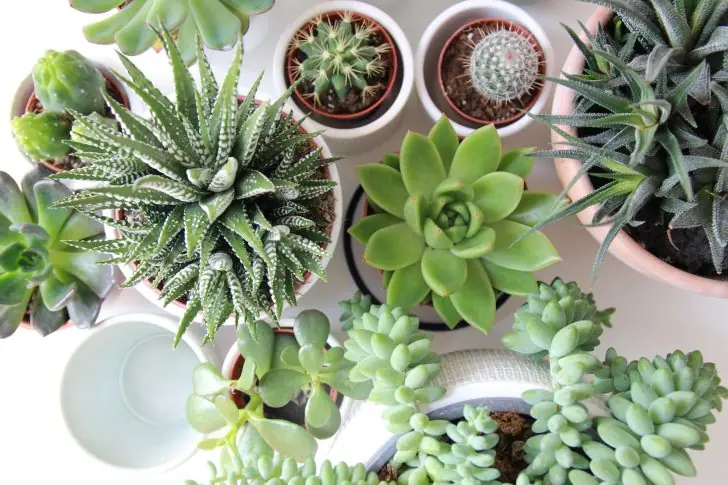
Cacti
With their resilient nature and striking forms, Cacti Plans are a popular choice for home décor. However, in the realm of Feng Shui, they are somewhat of a paradox. These spiky plants are believed to emit negative energy due to their sharp thorns.
In Feng Shui, sharp objects are seen as harbingers of bad luck, potentially ‘cutting’ through the positive energy flow. So, while a cactus might be a minimalist’s dream, its energy might not be the most conducive for a peaceful and harmonious home environment.
Yuccas
With their sword-like leaves, Yuccas can bring a modern touch to any room. However, like cacti, their pointed leaves are seen as a Feng Shui faux pas. These sharp points are thought to create a ‘poison arrow’ effect in Feng Shui, leading to negative vibes and tension.
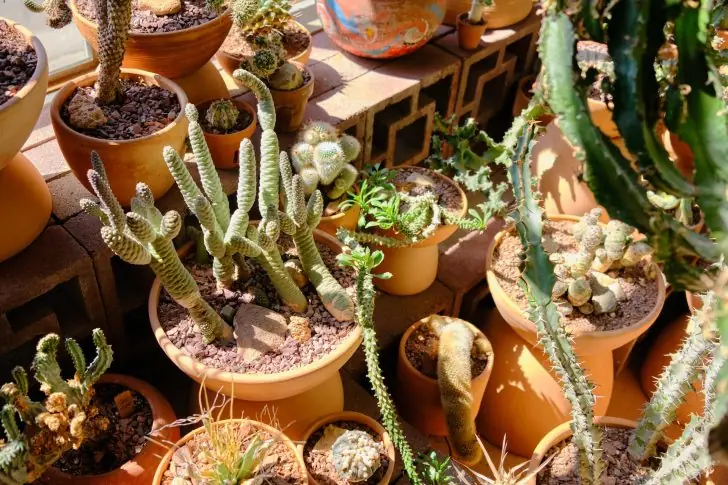
However, it is not just about the physical harm these points could cause, but also about the subtle energies they are believed to emit. So, while yuccas might score high on style, they are not the best for maintaining a serene and positive atmosphere at home.
Dried Plants
Often used for their rustic charm and longevity, dried plants have a different issue in Feng Shui. They are seen as symbols of stagnancy and decay. In Feng Shui, it is essential to have objects that represent growth and life. As dried plants devoid of life, they symbolize the opposite.
They are thought to drain the energy of a space, bringing in feelings of stuckness or lethargy. Therefore, while they might last longer than fresh flowers, their impact on the energy of a home might not be as enduringly positive.
Artificial Plants
Artificial plants may seem like a convenient choice for those who lack a green thumb, but in Feng Shui, they are a big no-no. The philosophy behind Feng Shui is about natural balance and the flow of chi, and artificial plants fail to contribute to this balance.
While they might look pretty and require no maintenance, they do not bring the same life and vibrancy to space as their living counterparts.
Bring These Positive Feng Shui into Your Home with Plants
Now that we have covered what not to bring in, let’s focus on the positives. Feng Shui-friendly plants are those that have soft, rounded leaves. These are believed to promote a smooth flow of energy. Plants like the Peace Lily, with its gentle leaves and white flowers, are great for creating a calming and positive environment.
Bamboo, another Feng Shui favorite, is renowned for its ability to bring good luck and prosperity. All thanks to its resilient and straightforward growth.
Another excellent choice is the Jade Plant, often referred to as the “money plant.” Its round, jade-green leaves symbolize growth and renewal. Thus, aligning perfectly with Feng Shui principles. Not only do they add a splash of greenery. But they are also believed to attract wealth and prosperity.