Pressure washing looks simple from the outside, but it can go wrong fast if you rush in. That strong stream of water can clean years of dirt in minutes, but it can also tear into your siding, strip paint, and push water where it should never go. The difference comes down to control, not power.
Most homeowners think higher pressure means better cleaning, but that idea causes most of the damage. What actually works is using the right pressure for the job and letting cleaning solutions do part of the work. When you approach it this way, you clean your home without turning it into a repair project.
Start With the Right Setup
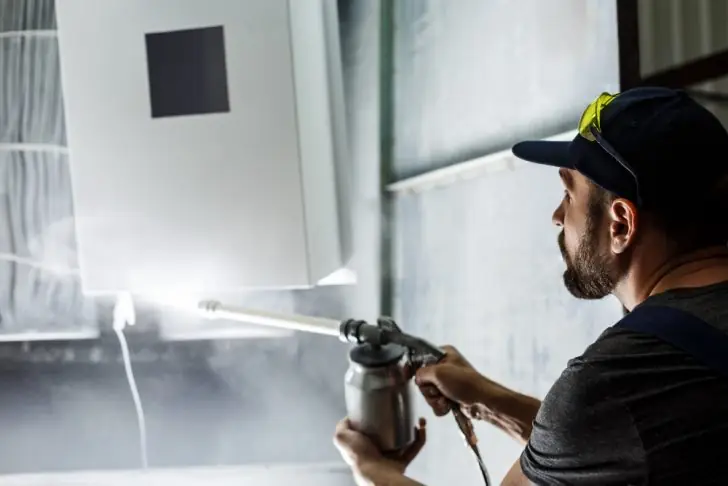
If you do not adjust it properly, you are basically blasting your home instead of cleaning it. That is where things start to break.
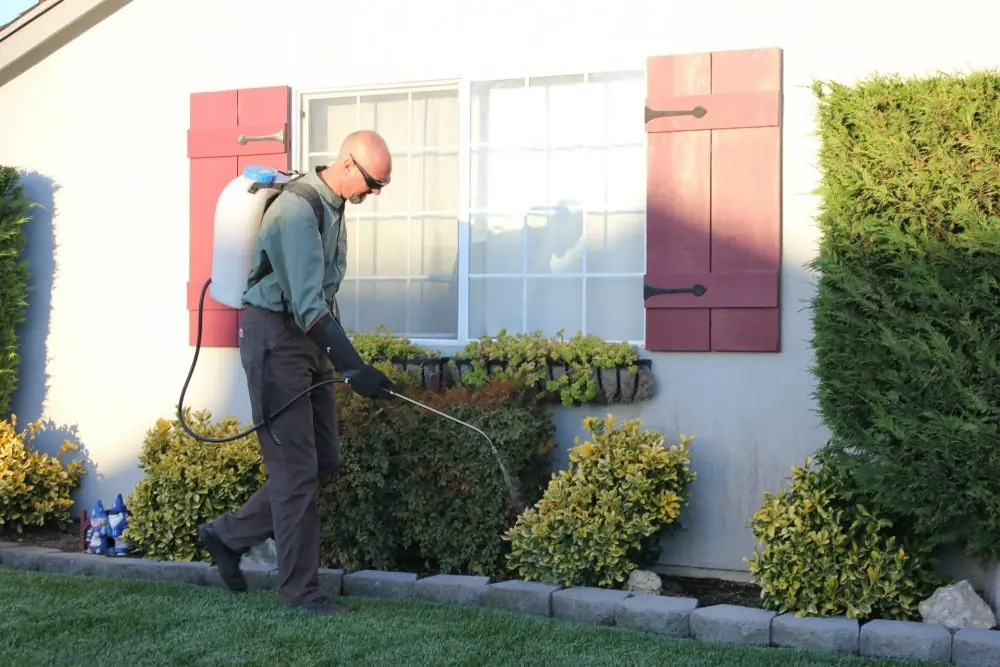
Use a wide spray nozzle instead of a tight stream, and keep the pressure moderate. A fan-shaped spray spreads out the force and makes it safer for siding. You should also stand a few feet back when you begin, then move closer only if needed. That extra distance gives you control and helps prevent sudden damage.
Use Technique, Not Force
Cleaning your house is not about blasting dirt away as fast as possible. It is about working in a controlled pattern and letting the process do its job. Once you get the rhythm right, you will notice better results with less effort.
Start by applying a cleaning solution using low pressure. Spray from the bottom upward so the surface gets even coverage. Let the cleaner sit for a few minutes so it can break down grime, mold, and algae. This step does most of the heavy lifting before you even rinse.
When you rinse, switch direction and go from top to bottom. Keep the nozzle angled downward so water runs off naturally instead of getting pushed behind the siding. Spraying upward might seem harmless, but it can trap water inside your walls, which leads to mold and long-term damage.
Know What to Avoid

Knowing what to skip is just as important as knowing what to clean.
Roofs are a common mistake. High pressure can strip protective layers from shingles, shortening their lifespan. Old brick can also suffer because the force can wear down the mortar holding everything together. Once that weakens, repairs become expensive.
Prep Work Makes All the Difference
Jumping straight into washing without preparation is asking for trouble. A few minutes of prep can prevent water damage, protect your plants, and make the whole process smoother. It also helps you avoid missing spots later.
Close all windows and doors tightly before you start. Cover electrical outlets and light fixtures so water does not get inside. Wet your plants and nearby landscaping so cleaning solutions do not harm them. These steps take little time but prevent bigger problems.
You should also clear the area around your house. Move outdoor furniture, decorations, and anything that might get in the way. A clean workspace helps you move freely and keeps you focused on the job instead of working around obstacles.
Remember, a pressure washer is not just another garden tool, and treating it casually can lead to injuries. The water stream is strong enough to break skin, so you need to handle it with care every time you use it.