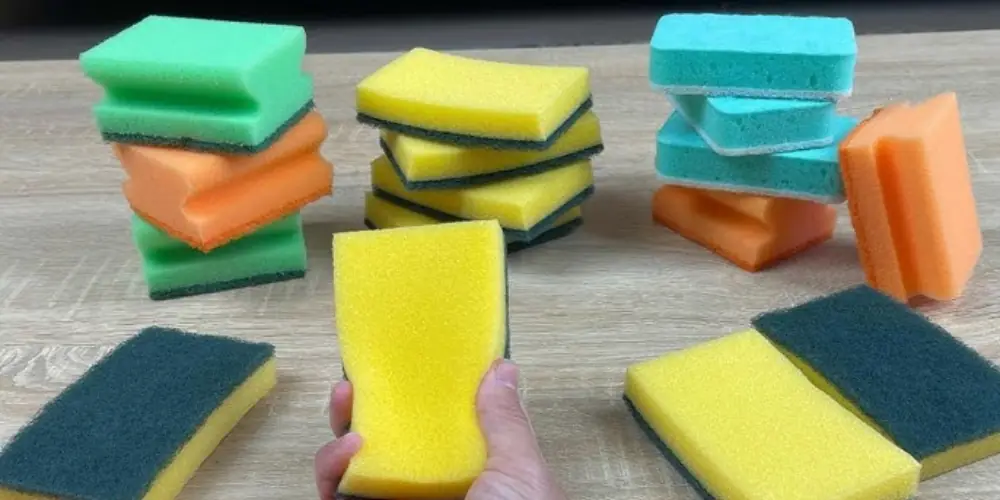
A kitchen sponge may seem harmless until it leaves a trail of scratches across a stainless steel pan or transfers bacteria from a cutting board to a wine glass. Color-coded sponges were created to prevent those exact problems. Each shade signals a purpose, a level of abrasion, and, in many homes, a hygiene rule that keeps sensitive surfaces protected and cross-contamination in check. Knowing what each color represents can make kitchens cleaner, tools last longer, and daily cleanup feel far less chaotic.
Color-coding also supports routine kitchen hygiene. It creates a visual cue so that the sponge used for raw chicken drips never comes into contact with clean glassware. This simple habit keeps bacteria where they belong — in the trash. It also helps maintain organization when multiple people share the same space.
Below is a clear breakdown of widely used sponge colors, their intended uses, and the tasks they should never be used for.
1. Green Sponges
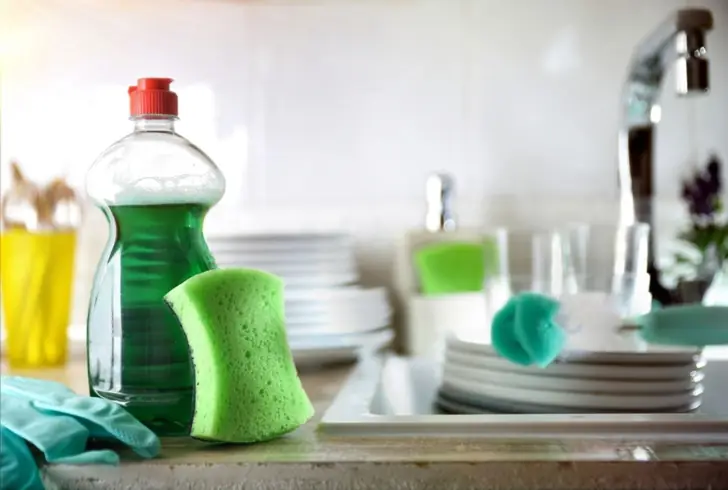
Green pads are the go-to option for general cleaning and dishwashing. They carry enough grit to break through dried sauces, stuck-on food, and stubborn residue. They handle medium to heavy cleaning and can even manage outdoor items or tough refrigerator grime.
Green sponges are not safe for delicate materials. Glass, stainless steel, nonstick cookwar,e and polished surfaces scratch easily under green pads, so they should stay far away from anything that needs a smooth finish.
2. Yellow Sponges
Yellow pads sit right between coarse and gentle. They clean areas that need steady scrubbing without risking damage. Glassware, counters, and kitchen sinks often benefit from these because they need a controlled touch but still accumulate grime.
They offer enough texture to lift buildup but remain soft enough for surfaces that can’t handle aggressive scouring. These often get overlooked, yet they strike a practical balance for everyday messes.
3. Blue Sponges
Blue sponges are made for delicate cleaning. Their soft texture ensures a smooth, scratch-free shine on items like stainless steel, glass, and other fragile finishes. When the goal is a polished look without marks, blue is the safest choice.
They handle day-to-day cleaning but shine brightest when restoring clarity to surfaces that react poorly to abrasion.
4. Red and Pink Sponges
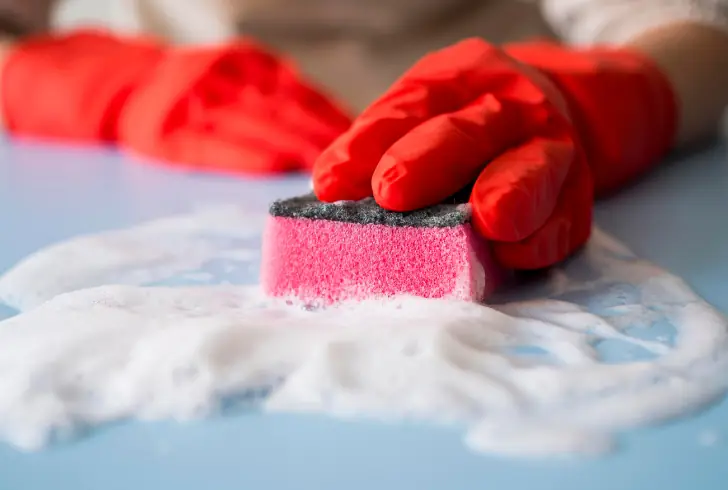
Red and pink sponges are often assigned to the “danger zones.” They stand out intentionally, so they never get mixed with dishwashing tools. These handle baked-on stains, messy spills, and areas where bacteria thrive, including sinks that held raw meat juices.
They don’t represent a specific level of abrasiveness; the color is simply a warning. Because these sponges deal with heavy contamination, replacing them more often helps maintain cleaner, safer kitchen routines.
5. Black Sponges
Black sponges cater to the toughest cleaning jobs. Their coarse construction is meant for thick, baked-on debris and surfaces that won’t scratch easily. They’re not everyday tools, but when facing a stubborn mess, their power becomes essential.
They last longer since they’re not used as frequently, yet they perform tasks that lighter sponges can’t handle.
Using this color system helps protect cookware, preserve surfaces, and reduce the transfer of germs. It keeps tasks organized, prevents accidental scratches, and separates clean items from high-risk areas. Assigning each shade to a specific role supports better hygiene and maintains consistent cleaning habits, providing an easy way to keep a safer, more orderly kitchen.