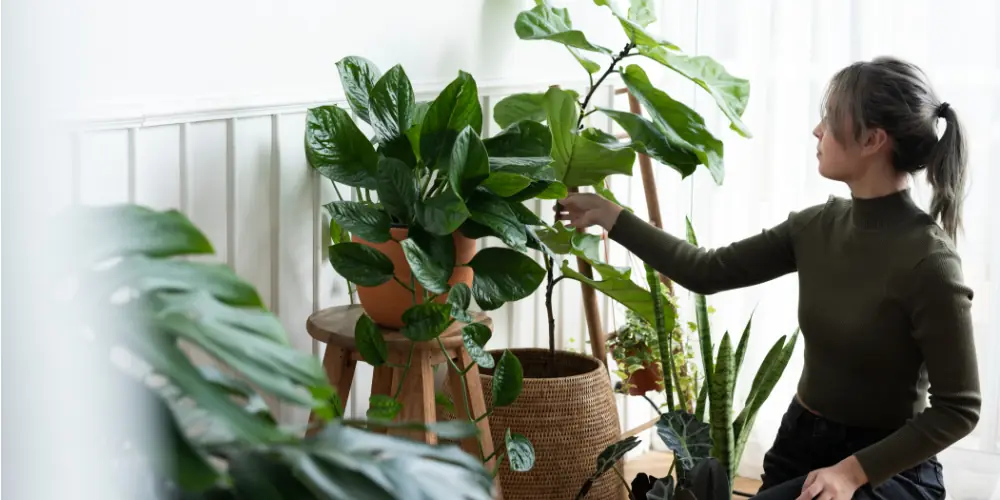
Houseplants bring more than just color into a home—they purify the air, improve mood, and create a calming atmosphere. Yet keeping plants healthy requires more than just watering them on schedule. One of the biggest threats they face comes from pests.
Ants, slugs, and other small crawlers can quickly damage leaves, weaken roots, and leave plants struggling to survive. Instead of reaching for chemical solutions, there’s a simple kitchen trick that can help: aluminum foil.
This everyday household item offers an unexpected layer of protection for plants while also bringing other surprising benefits.
How Aluminum Foil Deters Plant Pests
Pests often find their way into soil before working upward to feed on leaves and stems. Aluminum foil creates a barrier that disrupts this path. When a sheet of foil is placed around the base of a plant, the reflective surface and crinkling texture discourage insects from crawling across. The sharp noise and light reflections confuse them, pushing them away from the soil.
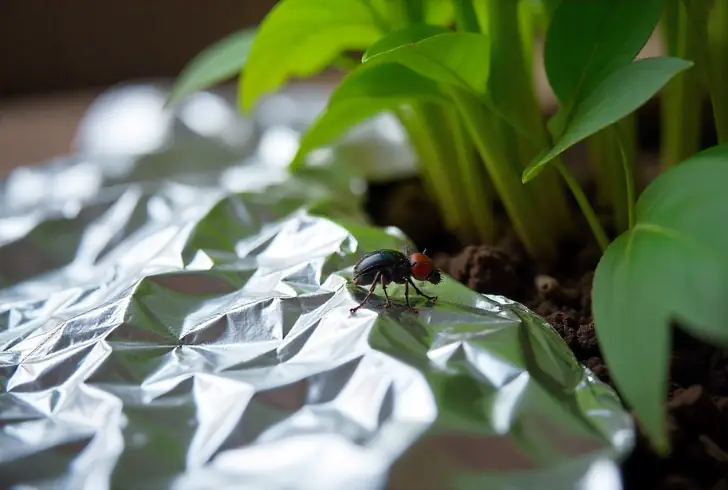
Another reason this works so well is practicality. Aluminum foil is inexpensive, usually already in the kitchen, and can even be reused after serving other purposes. Instead of tossing it in the trash, it can find a second life as natural pest protection for plants.
How to Use Aluminum Foil With Plants
There are two main approaches for applying foil around houseplants:
Edge placement
Wrapping foil along the edge of the pot makes it difficult for crawling pests to reach the plant. The shiny material acts as both a barrier and a deterrent.
Full soil cover
Spreading foil over the entire topsoil helps with more than pest control. It reduces water evaporation, which allows plants to retain moisture longer. This prevents the soil from drying out quickly and helps leaves stay firm rather than drooping.
Both methods are safe as long as the foil does not press directly against stems. Leaving small openings near the plant base ensures proper air circulation.
Added Benefits Beyond Pest Control
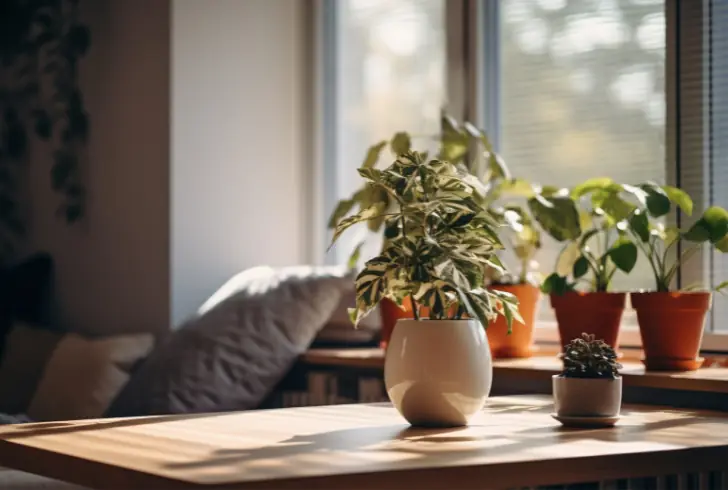
Aluminum foil’s role in plant care goes beyond keeping bugs at bay. When laid across the soil, it doubles as a thermal barrier, shielding roots from excess heat. For plants placed near sunny windows, where intense light can dry the soil or scorch leaves, the foil’s reflective surface helps bounce sunlight away—keeping temperatures steady and roots comfortable.
This simple trick is especially useful for heat-sensitive plants prone to yellowing or leaf burn. Instead of battling wilted leaves, the plant enjoys a more stable growing environment.
Repurposing used aluminum foil adds an eco-friendly bonus. Rather than tossing it out, lightly used sheets can be flattened and reused for this purpose, reducing household waste while helping plants thrive.
Why This Hack Stands Out
A simple household item like aluminum foil can do more than cover leftovers—it helps plants thrive. It deters pests, cools roots, and preserves soil moisture, all without chemicals or extra spending. For beginner and experienced gardeners alike, this easy hack is a practical and eco-friendly way to maintain healthy, resilient plants.