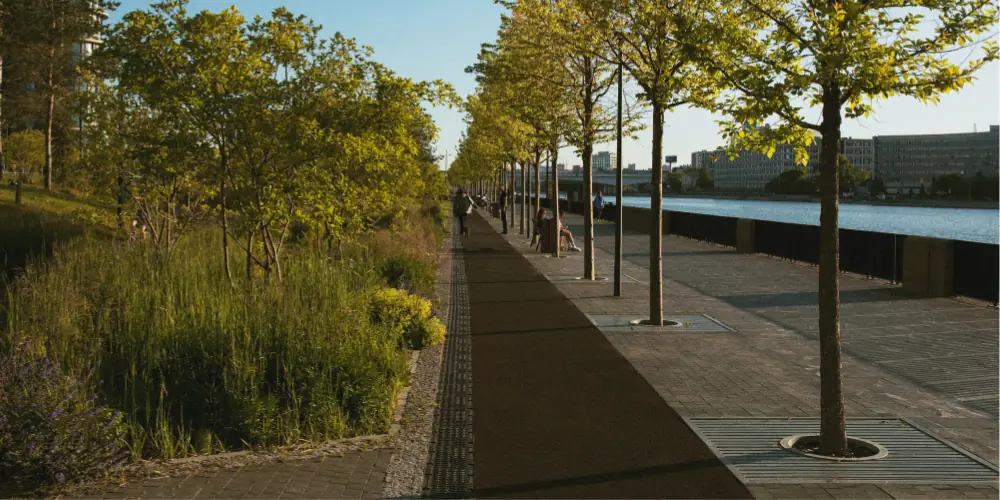
Sidewalks quietly do a lot of work. They connect homes, shops, and parks, making neighborhoods safer and easier to navigate. For urban property owners, they’re also a responsibility that comes with the risk of fines if neglected. Cracks, tilting slabs, or general wear can quickly turn into safety hazards. With steady upkeep, you can avoid most problems before they start.
Here’s a guide to keeping your sidewalk in great shape, no matter the season, while steering clear of surprise violations.
1. Know What You’re Responsible For
Before diving into maintenance, it’s essential to understand who’s legally responsible for the sidewalk in front of your property. In many cities across the U.S., especially dense urban zones, the adjacent property owner holds responsibility—not the city. This includes clearing snow, removing hazards, and repairing damage like cracks or uplifted sections.
Regulations can vary, so it’s worth checking in with your city’s Department of Public Works or local sidewalk code. For example, some areas might issue violations for not addressing trip hazards within a certain timeframe. Others may even fine property owners for letting vegetation obstruct the walkway.
2. Check Your Sidewalk Regularly
Small cracks today can mean big problems tomorrow. A simple walk around your property every few months helps catch early signs of damage. Keep an eye out for:
1. Uneven or lifted panels
2. Surface cracks or crumbling edges
3. Water pooling after rain
4. Loose or wobbly slabs
Sidewalk areas near trees, driveways, and high foot-traffic zones tend to deteriorate faster. Taking photos can help track changes over time and serve as a reference if repairs are needed.
3. Watch What’s Growing Around It
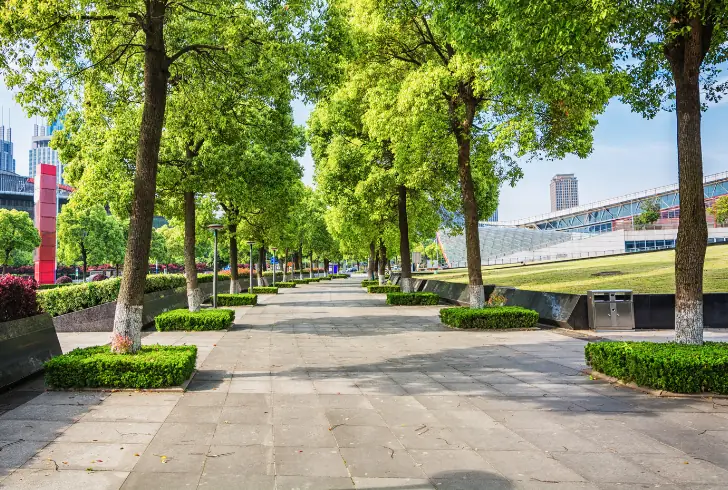
Tree roots are a common sidewalk troublemaker. Left unchecked, they push up slabs and create serious trip risks. Selecting trees with non-invasive root systems or planting farther from concrete is one way to prevent issues from starting.
If mature trees are already in place, installing root barriers can help direct growth away from the sidewalk without harming the tree. For overgrown branches or aggressive vines, trimming back regularly prevents overhang and improves visibility. Be aware—if the tree is public, always check with your city before performing any maintenance.
4. Address Water Issues Without Delay
Water and concrete don’t mix well long-term. When sidewalks don’t drain properly, it can lead to erosion, sinking slabs, or cracks from freeze-thaw cycles. After heavy rain, look for areas where water lingers.
If drainage problems are spotted, solutions might include re-sloping the soil, installing French drains, or extending downspouts to direct water away from walkways. Fixing drainage quickly saves money—and avoids slip hazards or algae growth.
5. Keep It Clean
Keeping your sidewalk clean does more than make it look nice—it helps prevent accidents and keeps the surface in good condition for years. Wet leaves, dirt, and other debris hold moisture against the concrete, and snow or ice can quickly turn hazardous if left to pile up. When deicing, choose products labeled safe for concrete to avoid chemical damage, and steer clear of metal tools that can chip the surface. In warmer weather, a quick power wash lifts away grime and stops moss or mold from creating slick spots.
6. Don’t Delay Repairs
Waiting on repairs almost always leads to higher costs. What starts as a small crack can widen over time, especially when water seeps in and expands during colder months.
Patching early, applying sealant, or hiring a contractor to lift or grind uneven sections is often quicker and cheaper than full replacements. Always check if permits are required in your area—some cities only allow registered contractors to work on public-facing sidewalks.
7. Keep Records
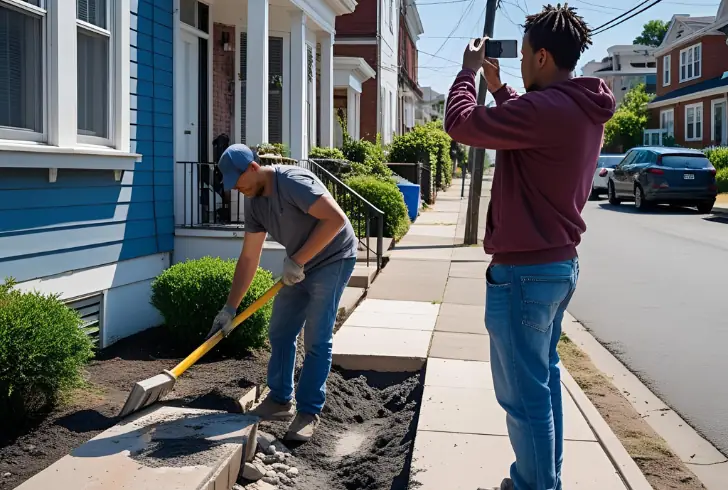
Track every bit of sidewalk maintenance you do—it can save you trouble later. Keep a file, on paper or online, with:
Photos taken before and after each repair
Receipts and contact info for contractors
Any permits related to the work
Dates for inspections or completed jobs
If you’re ever cited, having proof that you’ve kept up with maintenance can go a long way toward reducing penalties or getting more time to comply.
8. Upgrade Materials When Needed
If you need to replace your sidewalk, it’s worth looking into modern materials designed to last. Reinforced concrete or mixes with fiber mesh can help keep cracks at bay, and a good sealant will protect the surface from water damage and stains. In busy areas, adding texture or decorative scoring can improve traction and reduce wear. While these upgrades can be pricier upfront, they often save money by cutting down on future repairs.
Consistent Maintenance Pays Off
Sidewalk upkeep isn’t just a seasonal task or something to tackle after a warning—it’s part of smart property care. Safe, even surfaces protect pedestrians and reflect pride in ownership. Regular checks, timely repairs, and smart choices about trees, drainage, and materials help avoid violations and reduce long-term costs.
Sidewalks may not always get attention, but when they do, make sure it’s for the right reasons.