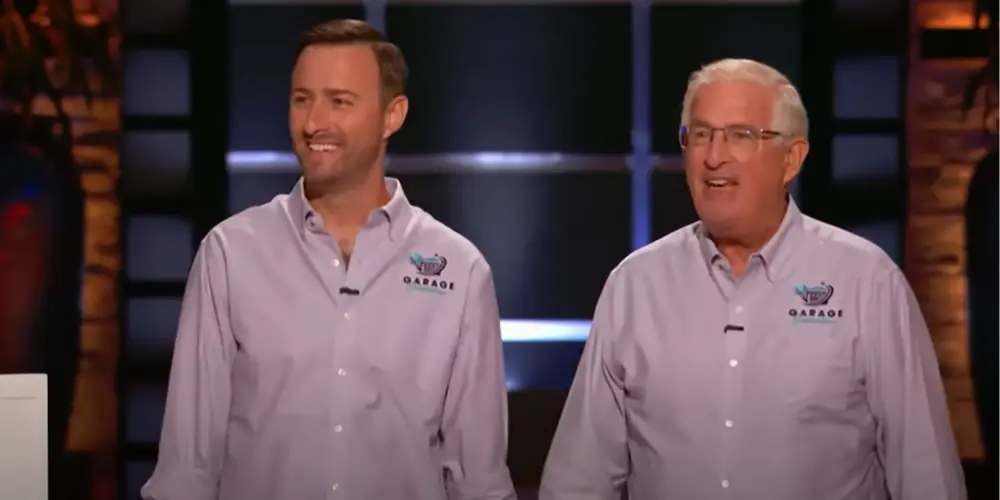
Every so often, “Shark Tank” showcases a pitch that strikes a deeper chord. That’s exactly what happened when a father-son team stepped onto the stage to present Garage Celebrations — a brand creating reusable garage door covers designed to simplify holiday decorating.
Their idea was straightforward, their execution clever, and their bond unmistakably heartfelt. While most of the Sharks stepped back from investing, Mark Cuban saw a unique opportunity and made a deal that turned heads.
A Family Pitch That Made an Impression
Bill Webster Jr. and his father, Bill Webster III, weren’t just selling a product — they were offering a more enjoyable way for families to celebrate holidays. With festive covers that transform any standard garage door into seasonal décor, the Websters offered a solution that avoids the mess and time of traditional decorating.
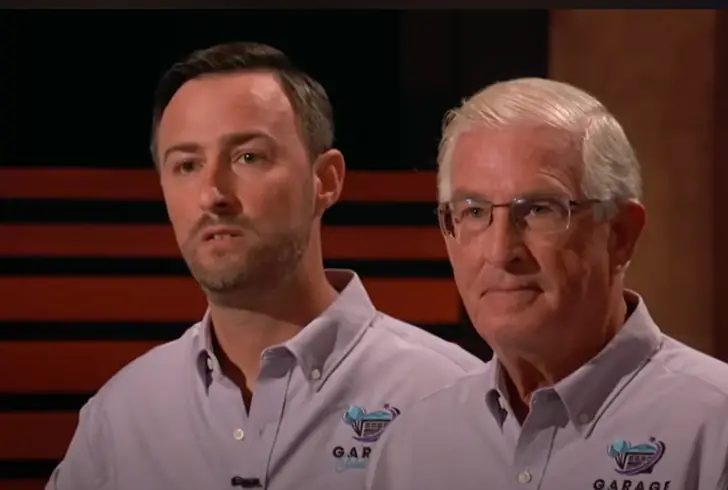
They entered “Shark Tank” asking for $200,000 in exchange for 20% equity. The pitch opened with a video demo showing how easily their patented garage covers slide onto doors — no tools required.
The Sharks immediately warmed to the concept. Robert Herjavec was handed a Santa Claus-themed cover, while Kevin O’Leary got Frankenstein. The designs sparked curiosity, but not every Shark was ready to jump in.
Product Design and Demonstration
Barbara Corcoran was the first to voice hesitation. Despite acknowledging the simplicity of the attachment process — a patented collar that hugs the door frame — she felt the visuals were outdated. Lori Greiner followed her lead, saying the brand didn’t align with her investment profile.
Still, the Websters maintained momentum by highlighting their numbers. A single garage door cover sells for $129, costs $35 to produce, and wholesales at $43. Last year alone, they brought in $175,000 in sales, largely through the country’s top Halloween retailer. Most of these sales were driven by targeted social media campaigns — another point that drew both intrigue and scrutiny from the Sharks.
Business Concerns and Shark Reactions
Kevin O’Leary’s concern centered around the seasonal nature of the product. The Websters acknowledged this limitation but lacked a clear plan to expand sales beyond holiday peaks. Robert Herjavec expressed doubts about the marketing strategy and scalability, eventually stepping out of the deal.
At this point, all eyes were on Mark Cuban.
Cuban’s Interest and Offer
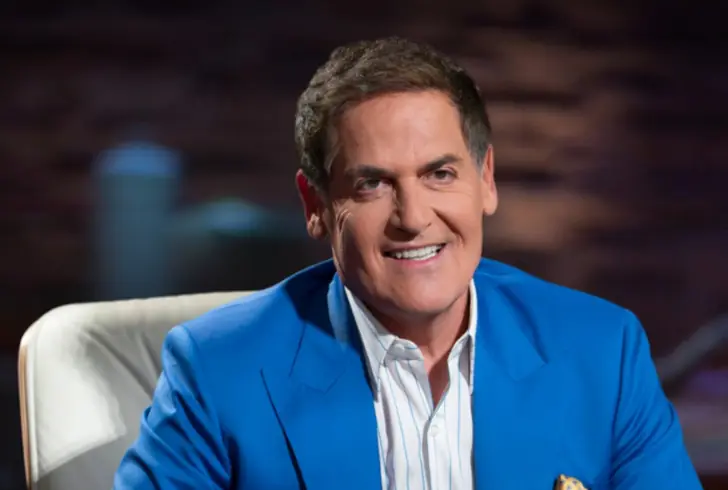
Cuban asked about the production process, which revealed that materials were sent overseas to Vietnam. There, manufacturers use specialized machines to cut and assemble the covers. When Cuban learned that the core machinery cost just $60,000, he suggested a shift toward in-house production — potentially from their own garage. That insight reflected Cuban’s knack for identifying cost-saving strategies and operational control.
He offered $200,000 but asked for 30% equity instead of 20%. Without hesitation, the Websters accepted. Cuban’s confidence in the duo clearly extended beyond numbers; he saw the spirit behind the business.
What Happened After ‘Shark Tank’
Following the episode, Garage Celebrations experienced what’s commonly known as the Shark Tank effect. The exposure led to a significant spike in customer interest and sales. Their segment showcased a blend of emotional storytelling and practical innovation — a combination that often wins on the show.
Now with Cuban on board, the company is expected to refine its designs, streamline production, and possibly broaden its product range to reduce seasonal dependence. The deal could mark a shift in how consumers approach decorating — less hassle, more fun.
A Simple Idea with Big Potential
Garage Celebrations may have seemed like a niche concept at first glance, but its appeal lies in its practicality. The reusable garage covers offer a fresh take on holiday décor, eliminating the need for ladders, lights, or tangled wires. Backed by Mark Cuban, the brand now has the chance to evolve into something much larger — especially if it finds ways to engage customers year-round.
This Shark Tank pitch stood out not just because of the product, but because of the clear connection between the co-founders and their willingness to take feedback, adjust, and grow. It’s a reminder that sometimes, all it takes is one believer — and in this case, that believer was Cuban.