Two South Florida innovators faced a wave of challenges when they presented their cutting-edge electric watercraft, the HydroBlade, on the premiere of “Shark Tank” Season 17.
Despite an ambitious pitch and high hopes, their moment in the spotlight didn’t lead to a deal, but it offered a masterclass in business communication and investor relations.
A Lesson in Strategy and Tone
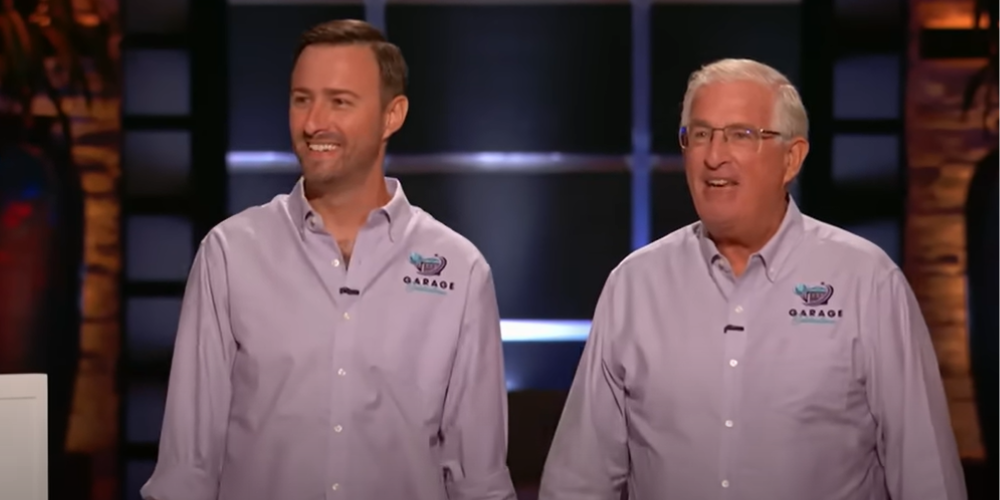
Jamie Schlinkmann, CEO of Pelagion from Lighthouse Point, and Mike Terry, head of business development from Boca Raton, entered the “Shark Tank” seeking $800,000 in exchange for 4% of their parent company. Their pitch didn’t just focus on HydroBlade but also on Pelagion’s broader machine-manufacturing operations.
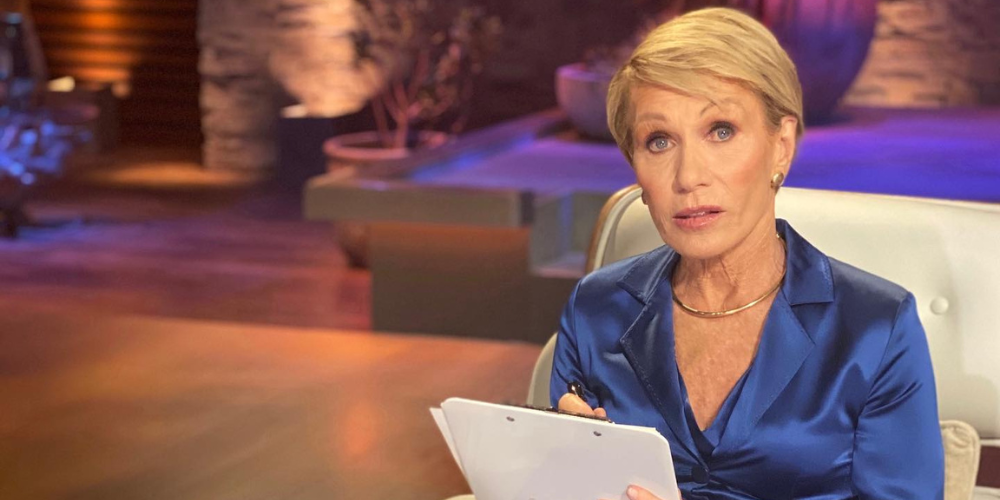
The complexity of that offer didn’t sit well with the panel of investors, which included Robert Herjavec, Lori Greiner, Kevin O’Leary (known as Mr. Wonderful), and guest sharks Kendra Scott and Rashaun Williams. The Sharks quickly questioned the structure and valuation, with O’Leary calling the deal “convoluted” and unrelated to Pelagion’s core business.
After watching the episode later, Schlinkmann reflected on his delivery. “I wasn’t angry, just excited,” he said. “But on camera, it came off differently. The intensity made me look frustrated, and that’s something I wish I’d handled better.”
HydroBlade – A Blend of Speed and Innovation
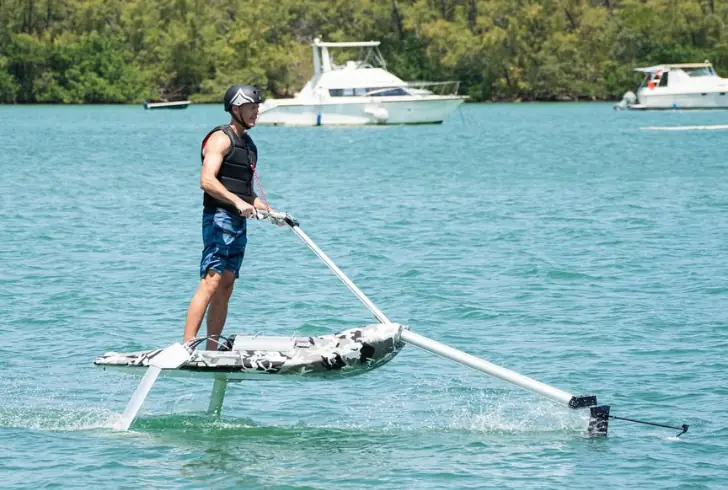
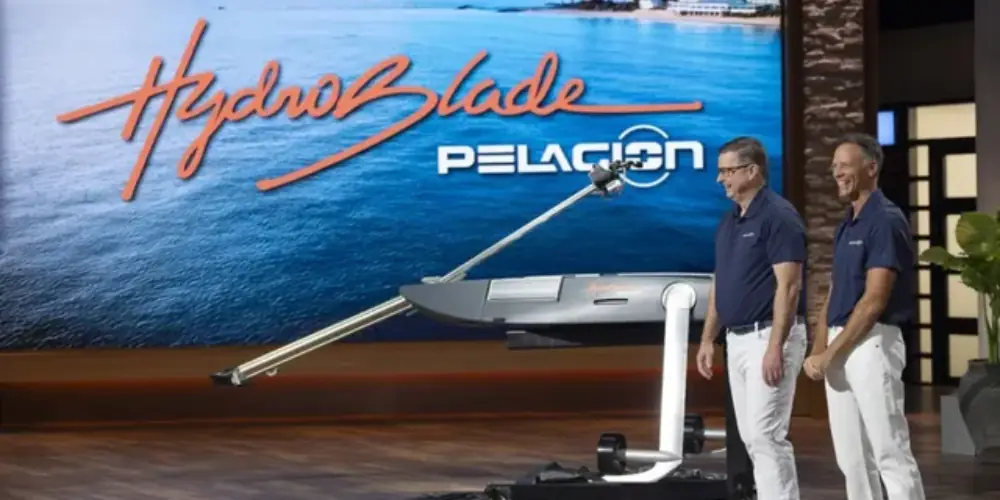
HydroBlade was introduced as the world’s first stand-up electric hydrofoil designed for thrill-seekers and outdoor enthusiasts. Marketed as delivering “the thrill of a motorcycle with the magic of a flying carpet,” the watercraft hovers above the surface, creating no noise or wake. It reaches speeds up to 40 mph and runs for about four hours on a single charge.
Manufactured by Pelagion in Plantation, Florida, the HydroBlade represents the company’s first direct-to-consumer venture. For more than 25 years, Pelagion has specialized in designing machines used across industries, from producing ovens and hard drives to medical lab equipment.
O’Leary’s main objection centered on his belief that HydroBlade didn’t align naturally with Pelagion’s existing operations. He preferred to see HydroBlade spun off as a separate brand. Schlinkmann countered that the product fit perfectly within their expertise in machinery and design.
Keeping Production Close to Home
When O’Leary suggested that shifting manufacturing overseas could reduce costs, the tension in the room heightened. Schlinkmann firmly rejected the idea, emphasizing that HydroBlade’s $12,500 production cost reflected a commitment to keeping jobs and manufacturing within the U.S.
Terry echoed that sentiment. “For over two decades, Jamie has carried the weight of maintaining American manufacturing,” he said. “While others send work to China, we’ve stood by our belief in domestic production. Maybe we could’ve been more diplomatic, but those values run deep.”
He admitted that better preparation might have helped them navigate the Sharks’ reactions. “We should have role-played more scenarios,” Terry said. “That way, we’d have been ready for any response, even the ones that caught us off guard.”
How It Unraveled in the Tank
As the pitch grew tense, O’Leary voiced his frustration. “Never argue with an investor,” he told Schlinkmann. “Even if you disagree, barking at me doesn’t help. $800,000 is a lot, and I don’t see how I’d make it back. I’m out.”
The other Sharks followed. Kendra Scott initially seemed intrigued, even saying she wanted to preorder two HydroBlades for her beach house. Yet her enthusiasm cooled as she highlighted two major concerns.
“First, $800,000 barely scratches the surface of what you’ll need,” she said. “Second, the way you handled my colleague’s feedback worries me. I need to work with founders who listen and collaborate, not just defend.”
Her comments underscored an important takeaway: investors often value personality and composure as much as product potential.
Adapting and Moving Forward
Although the pitch didn’t end with a deal, both entrepreneurs viewed it as an invaluable experience. Terry explained, “Adaptability defines long-term success. We’ve been in business for over 25 years because we learn and adjust. Challenges happen, and you just keep moving forward.”
Despite the Sharks’ rejection, the appearance gave Pelagion national visibility. Since the episode aired, interest in HydroBlade demos has grown steadily. Schlinkmann said the response from the public has been overwhelmingly positive, with potential customers drawn to the watercraft’s mix of thrill and eco-friendly engineering.
An Electrifying Vision for Water Sports
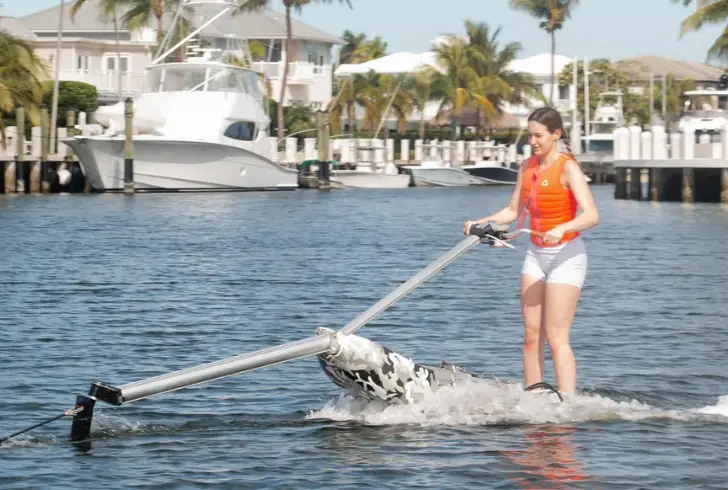
Fans are drawn to HydroBlade’s streamlined build and smooth, controlled movement. The steering is intuitive enough to feel like hovering, giving riders the sense of slicing across the water with minimal effort.
Pelagion’s environmental commitment is equally compelling. With its rechargeable system and quiet engine, HydroBlade offers a cleaner, low-impact way to enjoy the water.
Terry describes it best: “a bridge between innovation and joy,” celebrating the thrill of the ride without the pollution of traditional engines.
Behind the Scenes
Reaching the Shark Tank stage required persistence. A casting agent discovered the founders at a Las Vegas trade show, and the moment they finally stepped through the studio doors, their adrenaline spiked.
Terry described it vividly: “When those doors opened and we started down that hallway with the aquarium beside us, it was pure energy. Seeing Mr. Wonderful right there, center seat, it felt unreal.”
Although the Sharks passed, the founders viewed the experience as a springboard. They are continuing to refine their pitch, production strategy, and market approach while building awareness for HydroBlade. Schlinkmann and Terry’s journey captures the entrepreneurial spirit—bold, passionate, and relentless.
Their “Shark Tank” moment may not have ended with a handshake, but it highlighted something equally valuable: resilience. In an industry where setbacks can spark innovation, Pelagion’s story proves that determination fuels the best ideas.